Get Grease Trap Installation
Local contractors offer grease trap installation services to prevent plumbing clogs and odors in commercial kitchens, restaurants, and food service facilities.
If you’re considering grease trap installation for your property, you’re in the right place to explore your options. Properly installed grease traps are an essential component for maintaining efficient drainage systems, preventing clogs, and ensuring compliance with local regulations. Property owners in the area often look into this work to support restaurant operations, commercial kitchens, or other facilities that generate significant grease waste. Understanding the benefits of professional installation can help you plan your project with confidence and ensure the job is done correctly.
Comparing local contractors who specialize in grease trap installation can provide valuable insights into available services and expertise. Many service providers in the community are equipped to handle the planning and installation process, helping property owners meet their operational needs effectively. Continuing to explore your options can lead to finding the right partner for your project, ensuring your property’s plumbing system functions smoothly and reliably.
- Grease trap installation - needed when opening a new restaurant or commercial kitchen to ensure proper waste management.
- Grease trap replacement - required when existing traps are outdated, damaged, or no longer functioning effectively.
- Grease trap maintenance - essential for ongoing operation to prevent blockages and foul odors in commercial plumbing systems.
- Grease trap inspection - recommended during routine plumbing assessments to identify potential issues early.
- Grease trap upgrades - suitable when upgrading facilities to meet new regulations or increase capacity.
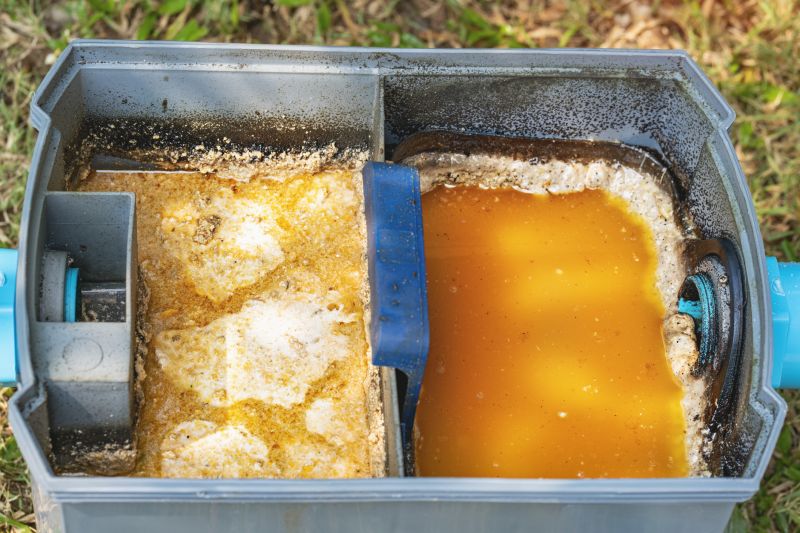
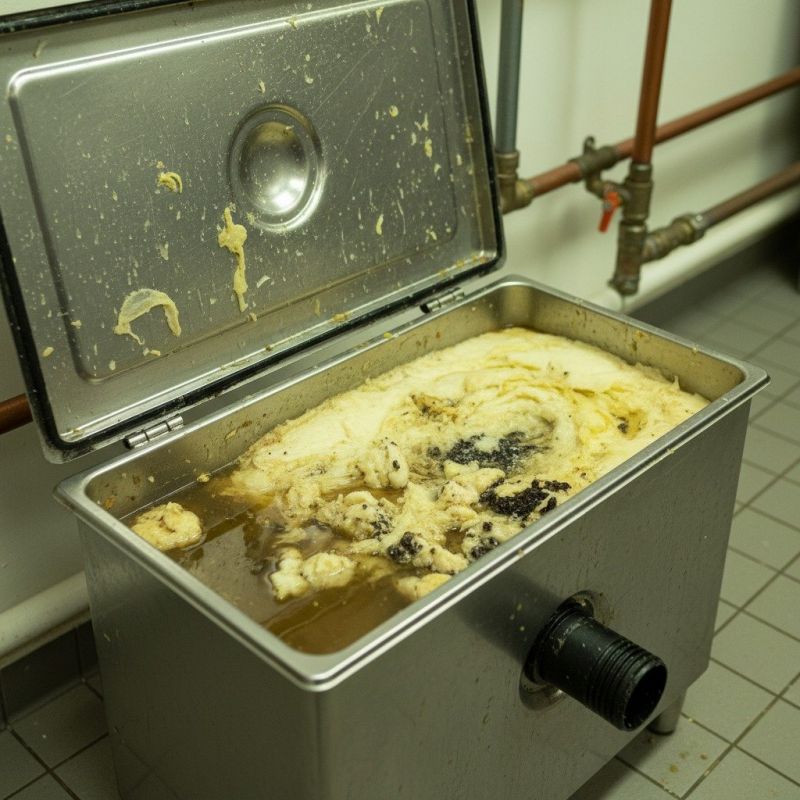
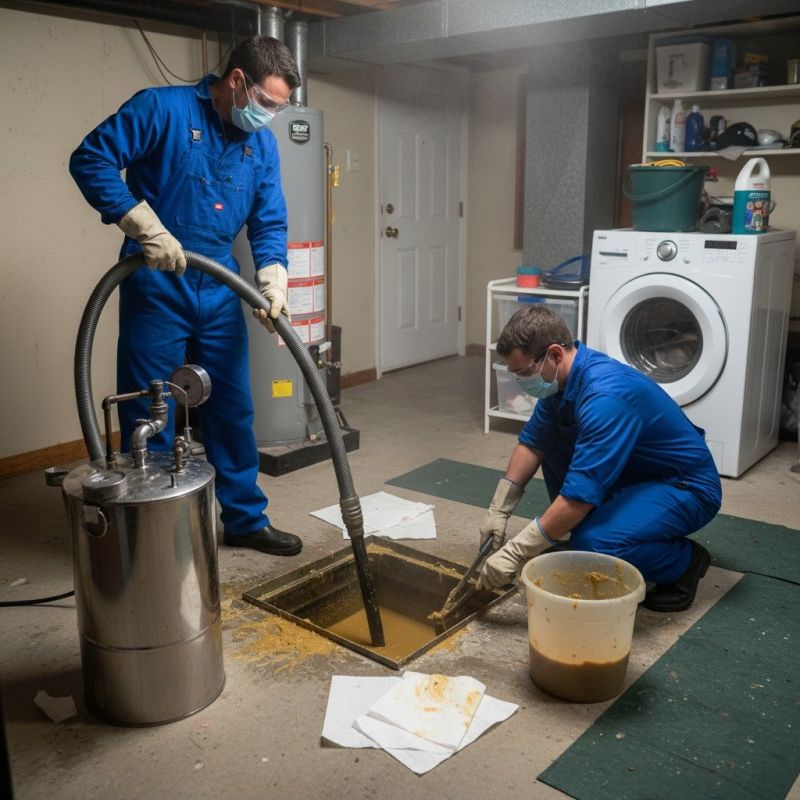
Grease trap installation services involve setting up specialized containers designed to capture and separate fats, oils, and grease from wastewater generated by commercial kitchens, restaurants, and food processing facilities. Proper installation ensures that these substances do not enter the main sewer system, helping to prevent blockages, backups, and costly repairs. Professionals typically assess the property’s plumbing system, determine the appropriate size and placement of the grease trap, and handle the installation process to meet local codes and standards. This service is an essential step in maintaining efficient and compliant wastewater management for foodservice operations.
Many common problems can be mitigated with a properly installed grease trap. Without one, grease and other solids can accumulate in pipes, leading to slow drainage or complete clogs that disrupt daily operations. Over time, these blockages may cause foul odors, overflowing drains, or even sewage backups that threaten health and safety. Installing a grease trap helps prevent these issues by capturing grease at the source, reducing the risk of plumbing failures and minimizing the need for frequent cleaning or emergency repairs.
Grease trap installation services are often sought by a variety of property types, including restaurants, cafes, catering businesses, and commercial kitchens within hotels, hospitals, or food manufacturing plants. These properties typically generate significant amounts of greasy wastewater that require proper management to stay in compliance with local regulations. Additionally, some property owners of multi-unit residential complexes or food courts may also consider installing grease traps to ensure smooth plumbing operations and avoid potential code violations.
For homeowners, grease trap installation is generally relevant in cases where a property includes a commercial kitchen or food preparation area that discharges wastewater with high grease content. If a home-based food business or catering operation is being developed, professional installation can help ensure the plumbing system functions efficiently and remains free of grease-related blockages. Contacting local service providers can provide guidance on whether a grease trap is needed and help arrange for professional installation tailored to the specific property and its usage.
The overview below groups typical Grease Trap Installation projects into broad ranges so you can see how smaller, mid-sized, and larger jobs often compare in your area.
In many markets, a large share of routine jobs stays in the lower and middle ranges, while only a smaller percentage of projects moves into the highest bands when the work is more complex or site conditions are harder than average.
Smaller Repairs - Typical costs for minor grease trap repairs or maintenance usually range from $250 to $600. Many routine jobs fall within this middle range, depending on the scope of work and local rates.
Standard Installation - Installing a new grease trap for a standard commercial setup generally costs between $1,000 and $3,000. Larger, more complex projects can sometimes reach $4,500 or more, but most jobs stay within this range.
Full Replacement - Replacing an existing grease trap with a new unit typically costs between $2,500 and $5,000. Projects at the higher end are less common and usually involve additional site work or custom installations.
Large or Complex Projects - Extensive grease trap systems or custom installations can exceed $5,000, with some larger commercial or industrial jobs reaching $10,000+ depending on complexity and site conditions.
Actual totals will depend on details like access to the work area, the scope of the project, and the materials selected, so use these as general starting points rather than exact figures.
Septic Tank Installation - professionals in installing underground waste management systems share similar planning and excavation skills as grease trap installation projects.
Commercial Plumbing Services - local contractors handling large-scale plumbing setups often require expertise in managing drainage and waste systems like grease traps.
Drainage System Installation - experts who design and install drainage networks possess skills relevant to setting up grease traps and managing wastewater flow.
Kitchen Plumbing Renovations - specialists involved in kitchen plumbing upgrades often work with grease interceptors and related waste management components.
Stormwater Management Systems - contractors designing stormwater solutions utilize planning and installation skills applicable to grease trap setup.
Industrial Wastewater Treatment - providers managing industrial waste systems have experience with large-scale waste containment and filtration similar to grease trap work.
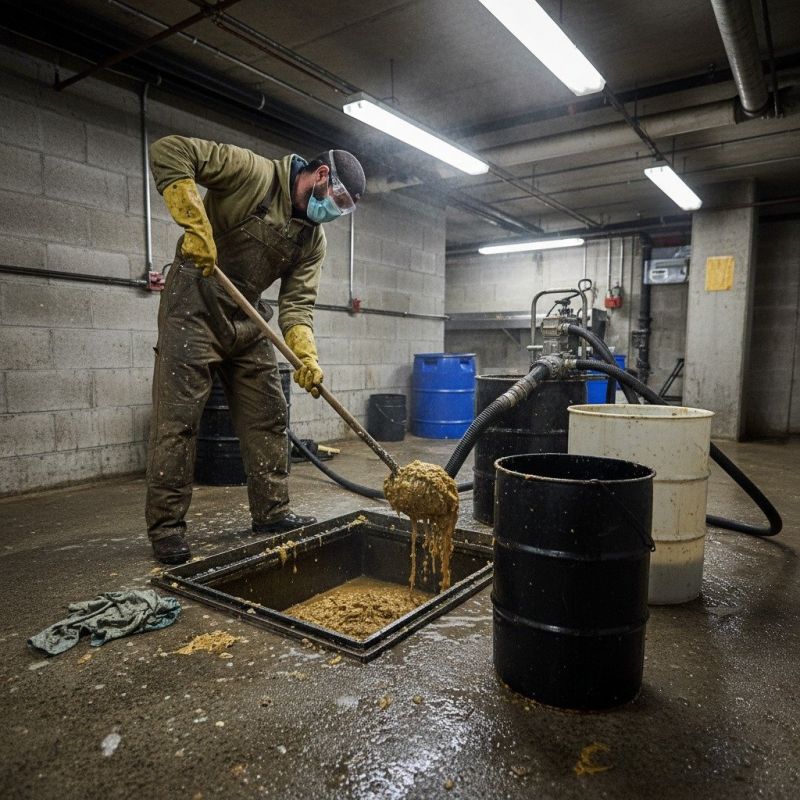
When evaluating service providers for grease trap installation, it’s important to consider their experience with similar projects. Homeowners should look for local contractors who have a proven track record of handling installations comparable to their specific needs. Asking about previous work can provide insight into the contractor’s familiarity with the requirements and challenges of grease trap installation, helping to ensure that the chosen professional has relevant expertise to deliver quality results.
Clear, written expectations are essential when selecting a local contractor for this type of work. Homeowners should seek detailed estimates or proposals that outline the scope of work, materials to be used, and any other relevant details. Having these expectations documented helps prevent misunderstandings and provides a solid basis for decision-making. It’s also beneficial to verify that the contractor communicates openly and clearly, making it easier to address questions or concerns throughout the project.
Reputable references and good communication are key indicators of a dependable local service provider. Homeowners can ask potential contractors for references from previous clients who had similar projects completed. Contacting these references can offer valuable insights into the contractor’s reliability, professionalism, and the quality of their work. Additionally, choosing a contractor who responds promptly and communicates effectively can contribute significantly to a smooth installation process, ensuring that the project proceeds as planned and any issues are addressed efficiently.
Property owners use Grease Trap Installation services for practical projects around their homes and businesses. This guide focuses on everyday jobs and straightforward project options.
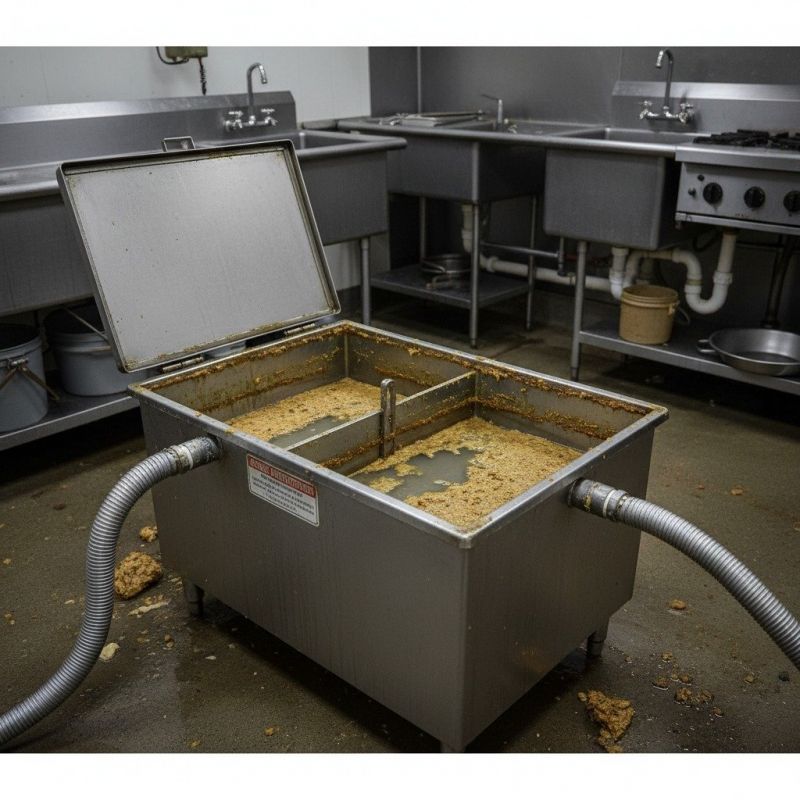
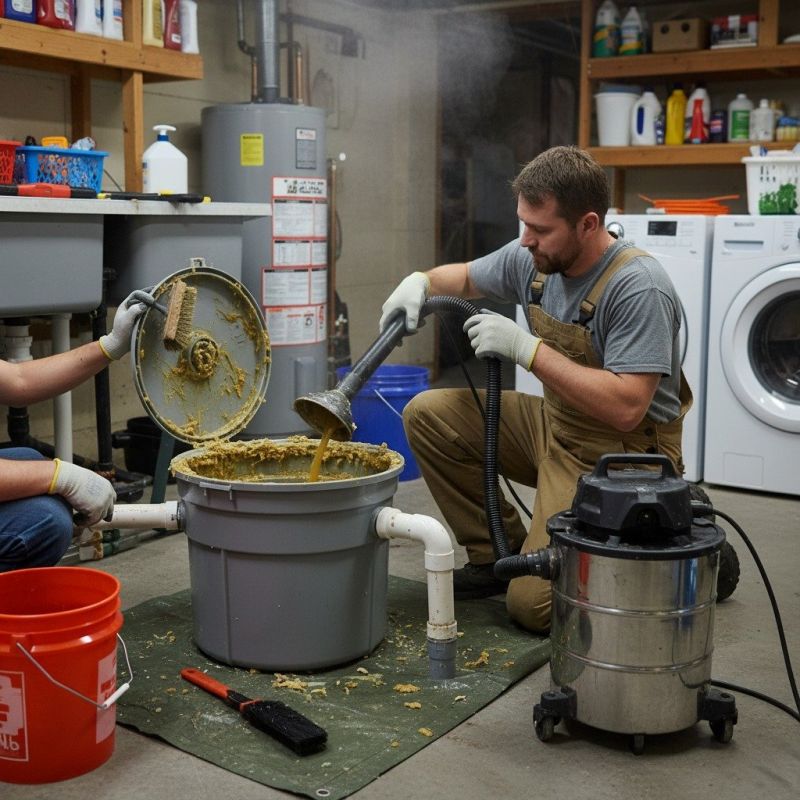
Grease trap installation is a common need for property owners operating restaurants, cafes, or other food service establishments in the area. When grease buildup begins to cause plumbing issues or foul odors, many look for local contractors who can install or upgrade grease traps to ensure proper waste management. Additionally, property owners managing commercial kitchens or food processing facilities might seek professional installation to meet health regulations and maintain smooth operations.
For residential properties with outdoor cooking or catering setups, installing a grease trap can help prevent clogged drains and reduce maintenance concerns. Homeowners or business owners may contact local service providers to handle the installation process, especially when upgrading existing systems or installing new units. These local contractors can provide the expertise needed to ensure the grease trap functions effectively and complies with local codes.
What is involved in grease trap installation? Grease trap installation typically includes selecting the appropriate size, preparing the site, and securely installing the trap according to local plumbing codes. Local contractors can handle these steps to ensure proper functioning.
Why should I hire a professional for grease trap installation? Hiring a local service provider ensures that the installation meets local standards, is performed safely, and is completed correctly to prevent future issues with grease buildup or plumbing problems.
What types of grease traps are available for installation? There are various types of grease traps, including gravity, automatic, and passive models. Local contractors can recommend and install the best option based on your specific needs and facility size.
How do I prepare my property for grease trap installation? Preparation may involve clearing access to the installation site, ensuring proper drainage, and coordinating with the service provider. Local pros can provide guidance on site readiness.
Are there any regulations I should be aware of for grease trap installation? Regulations vary by location and may specify trap size, placement, and installation standards. Local service providers are familiar with these requirements and can ensure compliance.
Grease Trap Installation for Commercial Kitchens - Ensures proper waste management in restaurants and food service establishments to prevent plumbing issues.
Industrial Grease Trap Setup for Food Processing Plants - Supports large-scale operations by managing high volumes of grease and wastewater efficiently.
Residential Grease Trap Solutions for Home Kitchens - Helps homeowners maintain their plumbing system and prevent clogs caused by cooking residues.
Custom Grease Trap Designs for Food Trucks and Mobile Kitchens - Provides portable solutions tailored to the unique needs of mobile food vendors.
If you are thinking about Grease Trap Installation for a property, this guide is meant to help you understand the work, the typical project types, and how different options might fit your plans.
When you are ready, you can use the quote form on this page to share a few details about your project. From there, local pros can review the basics and respond with options that match what you have in mind.